West Point History Department Launches War Studies Program and Major
Much of human history can be traced through the wars that shaped it and the fragile intervals of peace in between. It remains one of humanity’s defining experiences, and West Point readies cadets to understand, anticipate, and lead in war.
That preparation takes a bold step forward with the launch of the War Studies Program and major, a multidisciplinary initiative designed to equip cadets with the knowledge and experience to meet the challenges of 21st century conflict.
The program challenges cadets to study conflict not only as a series of battles, but as a complex human phenomenon with lessons across time. Rooted in the tradition of Carl von Clausewitz, the famed Prussian general and military theorist, it blends rigorous academic study with applied learning, ensuring that cadets graduate ready not only to fight and win wars, but also to think critically, advise senior leaders, and contribute to building a better peace.
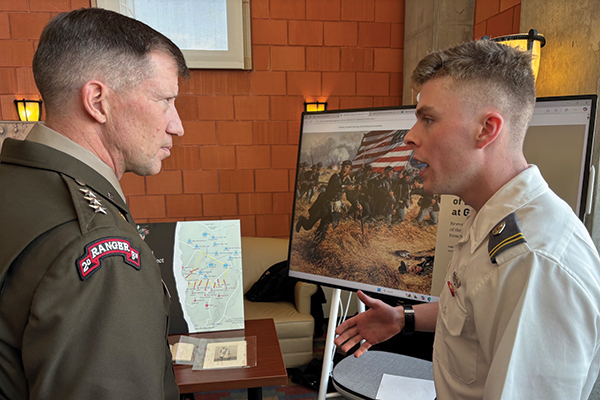
“War Studies is broad and inherently multidisciplinary,” explains LTC Rory McGovern, Chief of the War Studies Division and Program Director. “Our cadets will take four foundational courses which ask them to come to terms with the timeless nature and changing character of war, then study war in greater depth from a variety of angles. The goal is to equip them to think about war across time and apply their insights in real-world settings as Army officers.”
The major is built around four requirements: one course introducing the field of War Studies, and one course each in the study of war in the past, present, and future. After establishing this foundation, cadets choose one concentration: Warfare & Operations; Strategic Studies; or War, Society, and Institutions. Each concentration offers 15 to 18 course options spanning six to seven disciplines, requiring cadets to select five courses from at least two disciplines, a structure that mirrors the reality that modern war cannot be understood through a single lens.
Signature courses already drawing interest include Introduction to War Studies, the cornerstone of the major; War and Its Theorists; U.S. Policy and Strategy; and Future War, a required course exploring how societies and military leaders have imagined future conflict and how those visions shape doctrine, planning, and innovation today.
The capstone experience brings the major to life. Every major completes War Studies 495, a course that synthesizes their studies across disciplines and time frames. Select cadets may apply to an advanced thesis or client-based capstone track, where they work in small teams on complex, real-world problems.
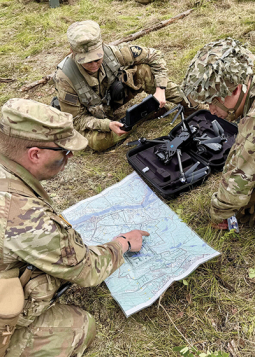
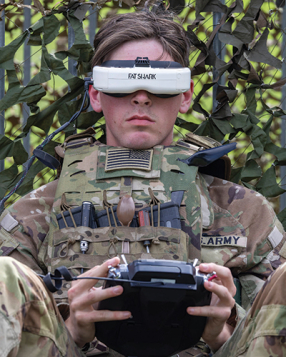
Beginning in 2026, cadets will participate in AIAD opportunities by interning with training commands and major military headquarters. These internships bridge theory and practice, exposing cadets to the ongoing efforts to adapt the Army to meet security challenges.
Although the War Studies major officially launched with the Class of 2028, enthusiasm among cadets is already high. Forty-two yearlings have enrolled in the inaugural cohort, and ultimately, the program aims for 40–60 majors per year, ensuring enough scale for impact while maintaining close faculty mentorship.
As the program kicks off, the initial measure of success is cadets’ excitement. LTC McGovern underscored their passion for the program, “Our cadets are investing deeply in this program. They see the direct relationship between what they’re learning here at West Point and the challenges they will face as Army officers. That enthusiasm is the foundation for success.”
Ultimately, the War Studies Program is about more than producing majors; it is about equipping leaders uniquely prepared to meet the challenges of 21st-century warfare. Cadets gain analytical and communication skills, regional and institutional expertise, and exposure to tools such as forecasting, modeling, and data analysis. The program’s emphasis on the future of war, including courses on AI, decision-making, and systems analysis, ensures that graduates are able to think creatively and strategically in a rapidly changing battlespace.
As the major grows, so will opportunities for cadets to gain access to internships, global exchanges, and real-world capstone projects. Margin of Excellence funding ensures they have the mentors, resources, and opportunities to thrive, supporting internships, international exchanges, and faculty strength. It equips tomorrow’s leaders to meet the challenges of war—and secure the peace that follows.
See also:
West Point Preparing for 2050: How the U.S. Military Academy is Prepping for Future Conflict
West Point Academics Transform to Address Future Warfare Challenges