
Thousands of West Point Memorials Rediscovered
By Desrae Gibby ’91, HON ’69, ’75, Memorial Articles & Research Manager
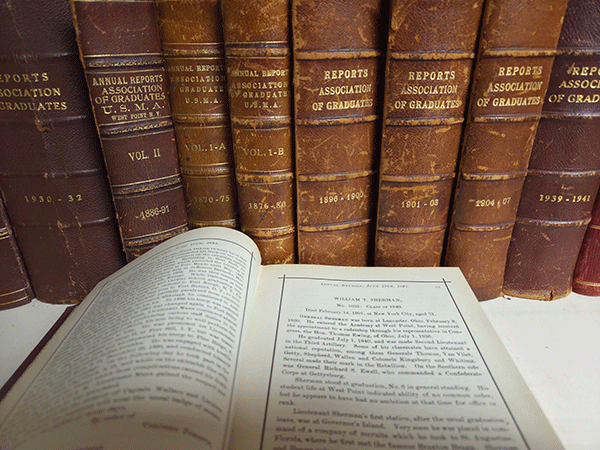
The West Point Association of Graduates (WPAOG) is proud to announce the completion of a major project to share the history of the Long Gray Line. Through the efforts of graduate volunteers, particularly members of the Class of 1974, WPAOG added nearly 3,000 necrologies and 150 Assembly TAPS articles to Be Thou at Peace, expanding the archive to more than 15,500 articles.
The effort began when Jay Joyce ’74 suggested that his class extract missing Assembly articles and Annual Report necrologies from the USMA Digital Archives. Working on behalf of their 50-, 100-, and 150-year affiliated classes, the volunteers set out to fill gaps on the online memorial article page.
As Joyce recalled: “Certainly, we could complete the memorial articles for the Class of 1924, for whom we would have been their 50-year affiliation class… but why not also those for the earlier classes of 1824 and 1874?”
What began as a small volunteer project quickly grew. More than a dozen classmates manually digitized nearly 200 articles. Edward Cerutti ’74 and his daughter Kit Tensfeldt then accelerated the effort. Tensfeldt and her teammate developed a custom program and extracted approximately 3,000 necrologies in a matter of days.
Cerutti reflected on the experience: “I signed up for this effort because I suspected accessing the necrology records would be a fascinating and moving experience. Reading about the deaths of previous graduates, including famous ones from the Civil War, brought tears to my eyes. We are happy to help make these records available to other graduates or descendants who want to research their ancestry.”
Tensfeldt, whose parents are both graduates, added, “I grew up with West Point stories, so this project meant a lot to me personally. These memorials were written by the people who knew and loved these graduates, and I’m really pleased to help make them available to everyone who wants to remember them.”
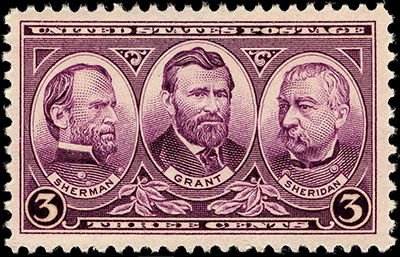
The Long Gray Line has always connected generations of graduates. This project makes those connections easier to discover. With a few clicks, a reader can move from the life of a Civil War commander to a professor who spent decades shaping cadets, and then to a chief of staff of the Army during the 1970s. The collection spans more than two centuries of American history through the lives of the graduates who made it.
Within those thousands of memorials are extraordinary stories. Civil War enthusiasts can explore detailed articles about their favorite generals, Grant, Sherman, and Sheridan. One article offers an interesting viewpoint: Confederate General Braxton Bragg’s article written by his 1837 classmate, Union General Joseph Hooker. Readers can also take a detour into the extensive articles of William Rosecrans (1842) or Thomas Wood (1845), which offer rare firsthand perspectives on the Mexican-American War, the Civil War, and the controversies surrounding the Battle of Chickamauga in 1863.
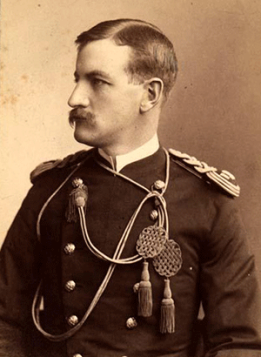
The collection also reveals other fascinating connections. George Crook (1852) and Charles Gatewood (1877) both played key roles in Geronimo’s surrender. Henry Harrington (1872) and Benjamin Hodgson (1870) both died at the Battle of the Little Bighorn. Roommates William Shipp and William Smith of the Class of 1883 fell together at San Juan Hill in 1898.
Picture, right: William Shipp and William Smith.
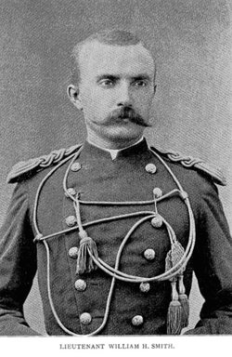
Readers can explore the lives of Medal of Honor recipients who later served as West Point leaders, including Robert Howze (1888), John Schofield (1853), and Oliver Howard (1854), or read about professors who served for decades, like Albert Church (1828) and William H. Bartlett (1826).
Moving to the 20th century, readers can follow the 42-year career of Hunter Liggett (1879), who commanded First Army during World War I.
Of the Assembly articles that the class of 1974 extracted manually (including Creighton Abrams 1936, Lyman Lemnitzer 1920, and Earle Wheeler 1932), Jay Joyce said: “All of these men were alive during our lifetimes, and most of them were familiar names to us when we were cadets. It was our honor to retell their stories.”
What began as a small volunteer effort to recover a few missing memorials became a very significant preservation project in the history of the Association of Graduates. Thanks to these volunteers’ dedication, thousands of stories once hidden in old publications are now available to inform, inspire, and connect future generations of the Long Gray Line.